
Minimal Jewelry: The Lightweight Trend for 2026
Minimal jewelry is the look defining 2026. After years of bigger chokers and heavier sets, the instinct across South Asian fashion has quietly flipped from more to enough. Fewer pieces, lighter weights, and a single considered choice instead of a full suite. The bride and the guest are both reaching for jewelry they can actually live in, and the result is the most wearable desi look in years.
This is not the end of the grand bridal set. It is a different appetite running alongside it. Here is what the shift actually looks like, and how to wear it well.
Why less became the look
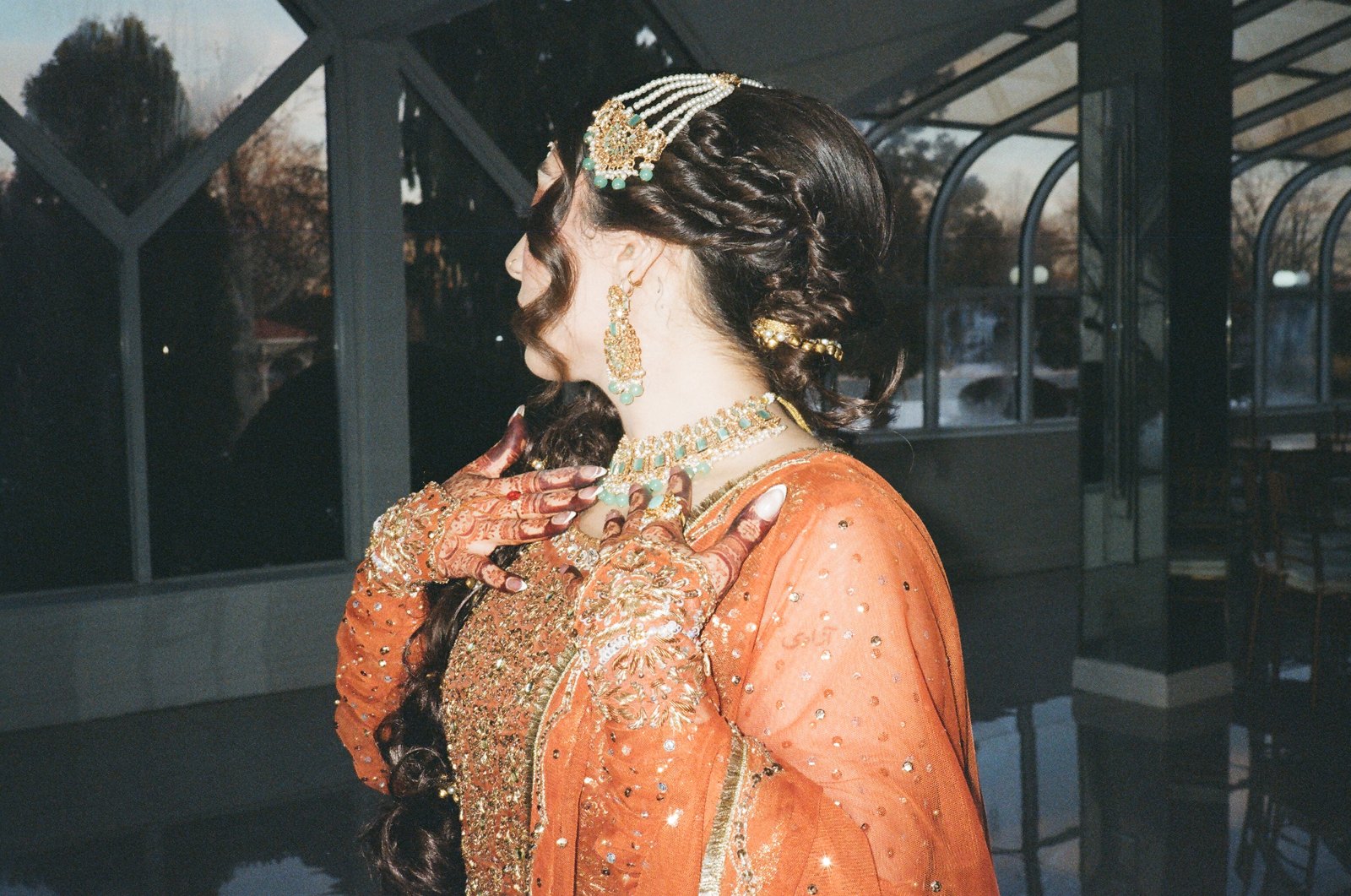
Two things pushed it here. The first is the sheer length of a modern wedding. One celebration now stretches across a dholki, a mehndi, a nikah, the main event and a reception, sometimes over a week, and nobody wants to haul a seven-piece set through all of it. The second is a change in what people want from a purchase. Buyers are tired of jewelry that sits in a box for fifty weeks a year. They want pieces that move from a wedding to a work dinner to a quiet Eid lunch without looking out of place, and that pressure favors the small, the light and the versatile.
You can see it in what sells. Lighter-weight gold, fine chains and pared-back daily pieces are moving faster than the showpieces, because they answer the real question most people are asking now. Not how grand can this be. How often will I actually wear it.
The one-piece rule
Minimal does not mean plain. It means restraint with a point of view. The looks that land in 2026 almost always pick one thing to lead and let everything else go quiet. A pair of jhumkas above a bare neck. A fine choker against clean ears. A single delicate tikka with nothing crowding it. Choose your one hero, then resist the urge to add. Skip the stacked rings, leave the wrists bare or close to it, and let the eye settle somewhere on purpose.
That discipline is harder than it sounds, because the habit is to fill every gap. Fight it. One well-made piece on otherwise clear skin reads richer and more modern than three good pieces competing for the same glance.

Everyday desi jewelry, finally
The quiet winner of all this is daywear. For a long time South Asian jewelry meant occasion jewelry, brought out for functions and then shut away. Now the small stuff is having its moment. Little jhumkas you can wear to the office, a thin gold chain layered under a kurta, slim bangles pushed up the wrist, pearl studs that go with everything. These are the pieces a whole generation is building a daily uniform around, and they make the heritage feel current rather than saved for someone else's wedding. Our lighter jhumkas and everyday studs are the easiest place to begin if you want one piece in regular rotation instead of a set you keep for best.
Layer, but keep it light
Layering has not gone anywhere. It has just slimmed down. The maximal version, a heavy choker stacked over a long necklace, belongs to the big bridal moment. The everyday version is gentler: two fine chains at different lengths, a delicate tikka with small studs, a thin bangle or two rather than an armful. The rule that stops it tipping into clutter is thickness. Stack thin pieces, not thick ones. Three slim chains read as one considered look. Three heavy ones read as a pile.
Soft tones, not loud ones
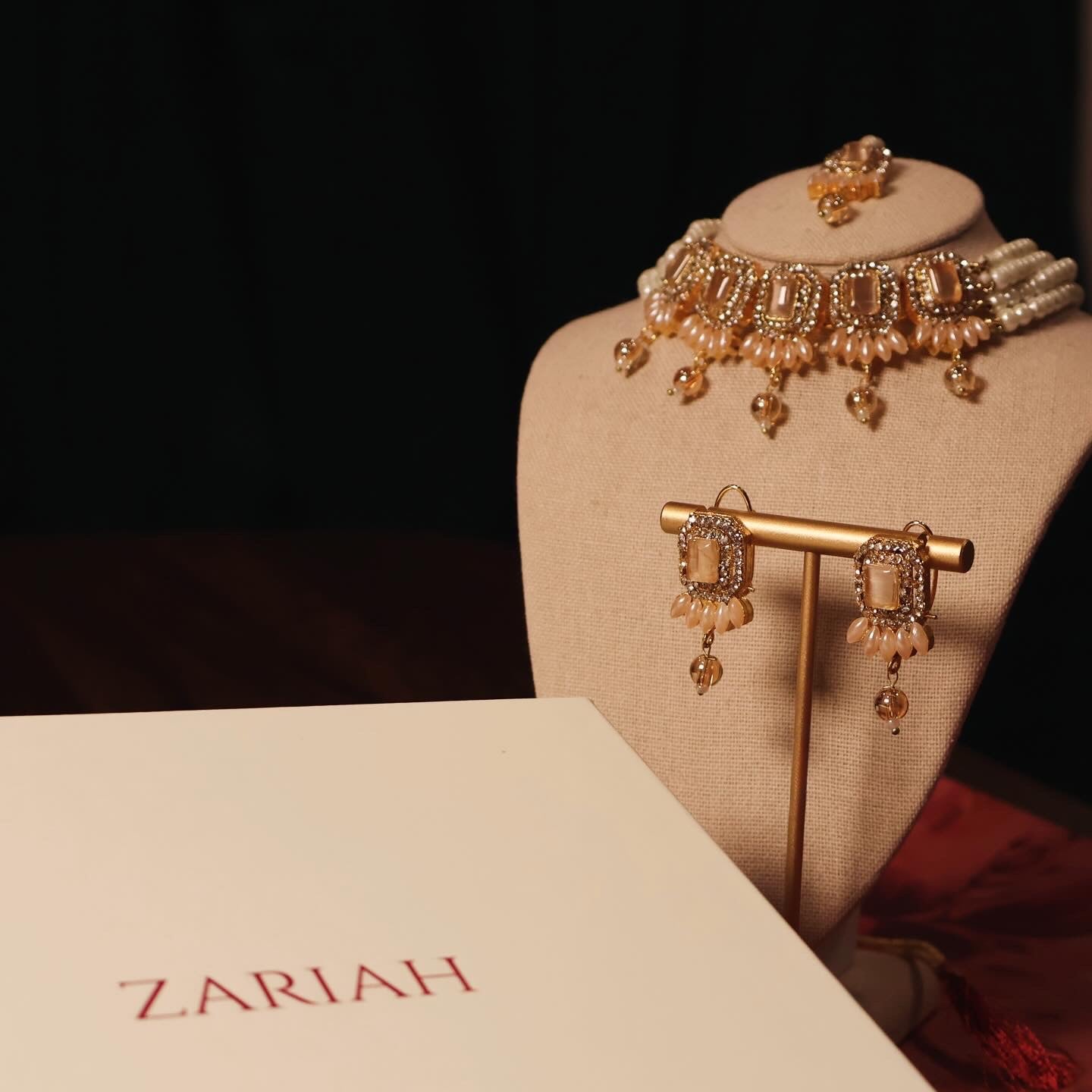
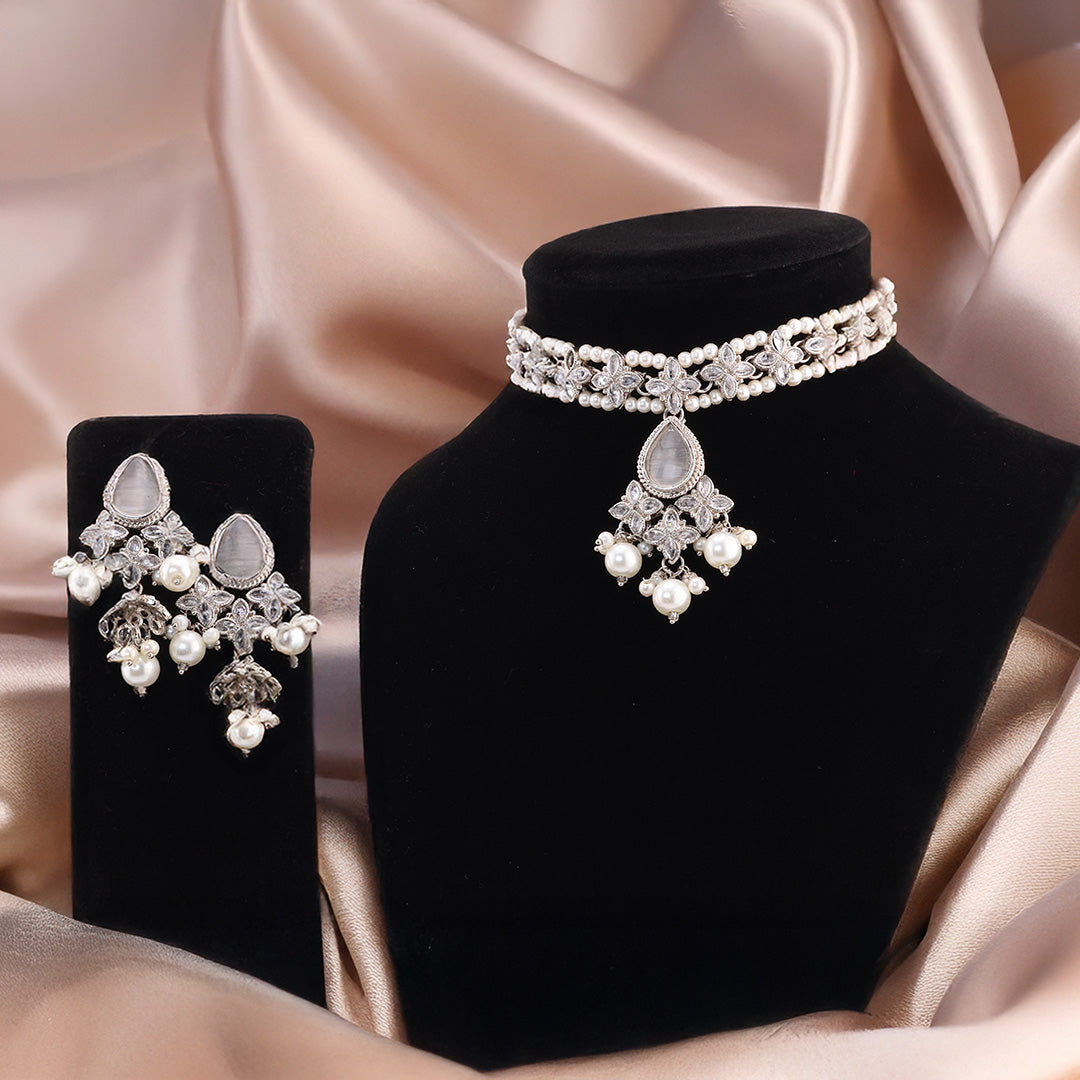
Finish matters more when there is less of it. Pared-back pieces tend to lean on softer color: pearls, champagne and blush stones, and the muted, slightly aged gold that flatters almost any outfit. Cool silver and white-toned stones do the same job from the other direction, and they sit beautifully against the pastel and ivory clothes that have taken over warm-weather functions. A light set in a soft tone is the one most likely to come back out for the next event, because it argues with nothing in your wardrobe.

Minimal works for the big days too
The pared-back instinct is not only for everyday. It suits a surprising number of the occasions that used to demand full armor. A nikah, where modest and elegant beats heavy. A registry or court wedding, where a delicate set is the entire point. The second day after the main event, when a bride wants to feel finished rather than dressed to the hilt. Even a guest at a grand wedding usually lands better in one strong, light piece than in a borrowed bridal suite. A set like the Diana set is built for exactly this, light enough to wear for hours and clean enough to read as a decision rather than a compromise, and the wider range of ZARIAH full sets holds plenty cut on the lighter side.
The real appeal of minimal jewelry is not doing less for its own sake. It is wearing the thing you reach for again and again, instead of the thing you admire once and shelve. Pick one piece you genuinely love, keep everything around it calm, and let it work harder than a whole box ever did.